

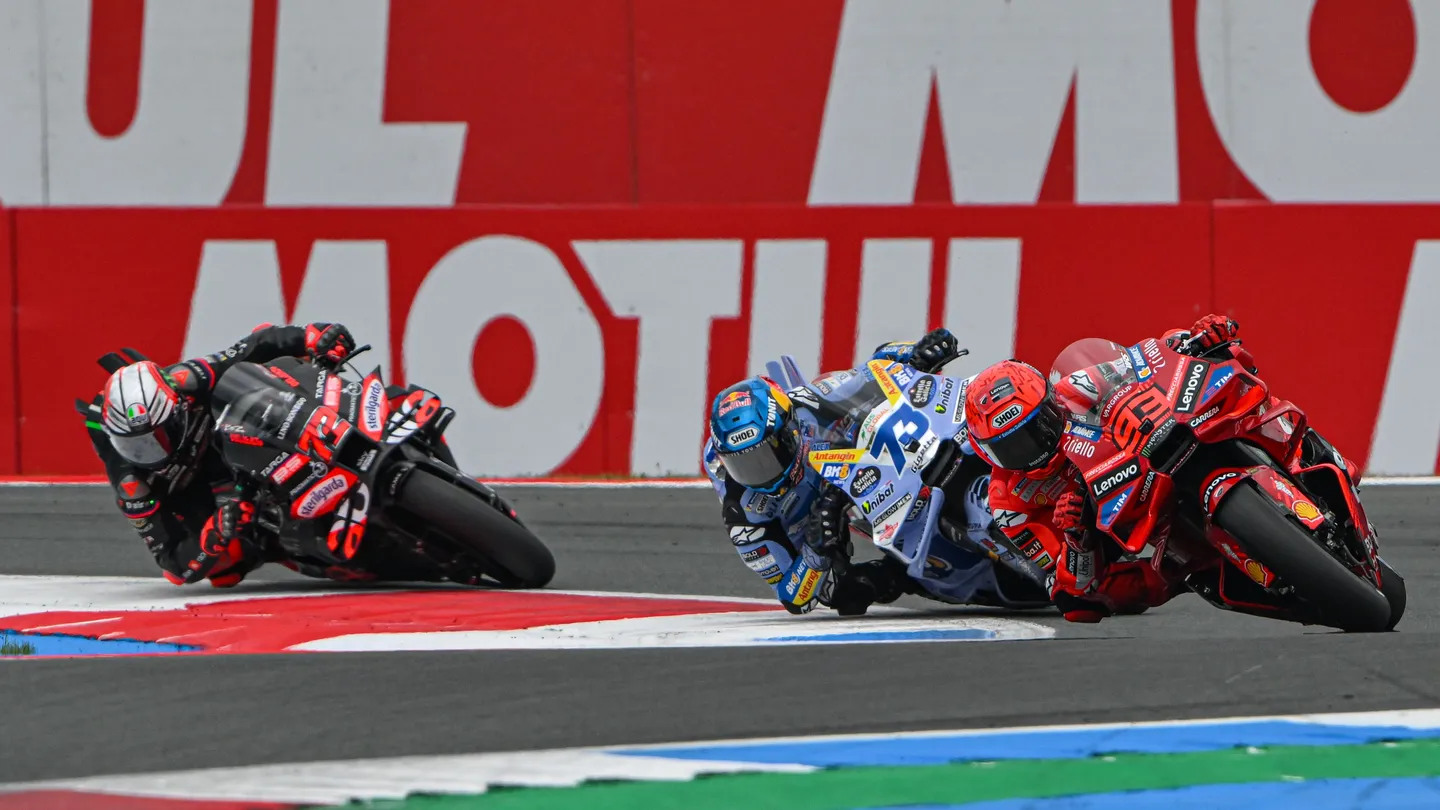
Designing a competitive race car is an art form grounded in engineering precision. The journey begins long before the car touches asphalt. It starts with regulatory frameworks set by governing bodies and evolves into computer-aided designs that define weight distribution, structural integrity, and aerodynamic flow. Whether the car competes in Formula 1 or endurance championships, engineers must operate within strict technical regulations while extracting maximum performance. Every millimeter of the chassis and every curve of the bodywork is shaped with performance in mind. At Akari Motor Sports, building a race car is not just manufacturing; it is orchestrating a symphony of mechanical excellence.

The chassis forms the backbone of the vehicle, engineered for rigidity and lightweight balance. Carbon fiber composites dominate elite racing because of their strength-to-weight ratio. Engineers simulate crash scenarios, torsional loads, and aerodynamic stress using advanced software before production begins. Suspension geometry plays a critical role in maintaining tire contact through corners, ensuring grip and stability. Meanwhile, braking systems must withstand extreme temperatures while delivering precise modulation. These systems operate under tremendous stress, especially in high-speed circuits like those seen in 24 Hours of Le Mans, where durability and reliability determine survival.
Aerodynamics transform airflow into downforce, effectively pressing the car onto the track. Wind tunnel testing and computational fluid dynamics refine every wing angle and diffuser design. In modern racing, small aerodynamic adjustments can significantly influence lap times. Teams constantly experiment with airflow management to optimize cornering speed without sacrificing straight-line acceleration. Cooling systems are also integrated within aerodynamic structures to maintain engine and brake temperatures. Akari Motor Sports believes aerodynamic mastery is where creativity meets measurable performance gains.
Powertrain development pushes engineering to its limits. High-performance engines must deliver explosive acceleration while complying with fuel efficiency standards. Hybrid systems recover energy during braking and redeploy it strategically, maximizing output. Transmission systems ensure seamless gear shifts measured in milliseconds. Electronic control units regulate engine mapping and optimize performance across varying track conditions. These technologies represent the pinnacle of mechanical evolution, transforming race cars into intelligent performance machines capable of adapting to race-day variables.

Ultimately, building a competitive race car is only half the equation; refining it through testing and teamwork completes the process. Track simulations, tire testing, and driver feedback shape final configurations. Pit crews train relentlessly to execute flawless tire changes and repairs under pressure. Every component, from the smallest bolt to the engine block, contributes to overall performance. Akari Motor Sports thrives on this holistic approach, where engineering, teamwork, and innovation unite to create machines capable of conquering circuits and capturing victory.
Leave a Reply