

Motorsports have evolved from raw mechanical duels into a high-tech battlefield where milliseconds define legends. In the early 20th century, racing was less about aerodynamics and telemetry and more about bravery and mechanical durability. Events like the Indianapolis 500 and the 24-hour endurance races of Europe shaped the competitive spirit that defines racing culture today. As engines grew more powerful and tracks more refined, safety, engineering, and race management also transformed dramatically. What once depended on mechanical instinct is now guided by advanced computational analysis, simulation software, and aerodynamic science. Akari Motor Sports stands at the intersection of this transformation, where passion meets precision engineering, and the thrill of racing is enhanced by data-driven excellence.
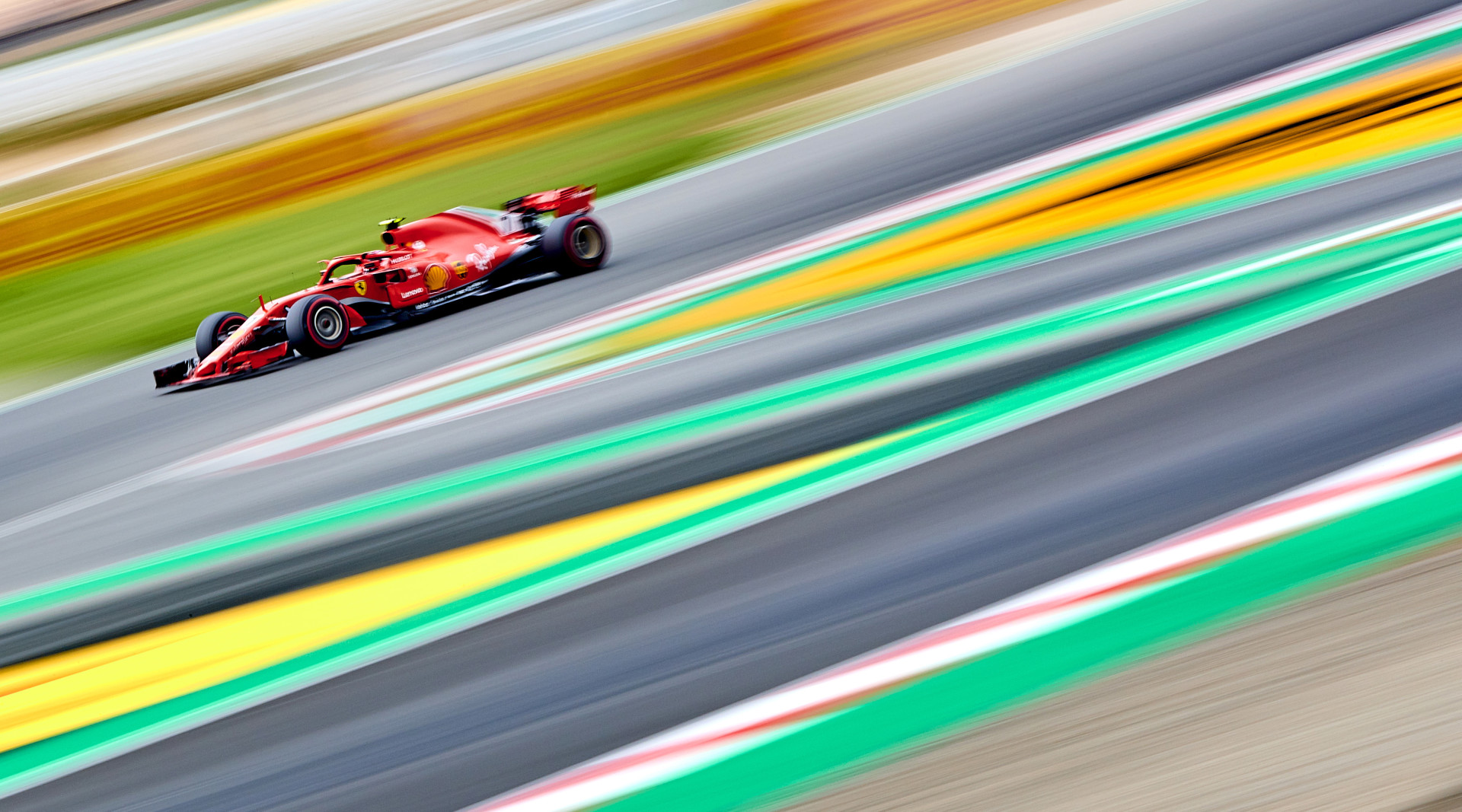
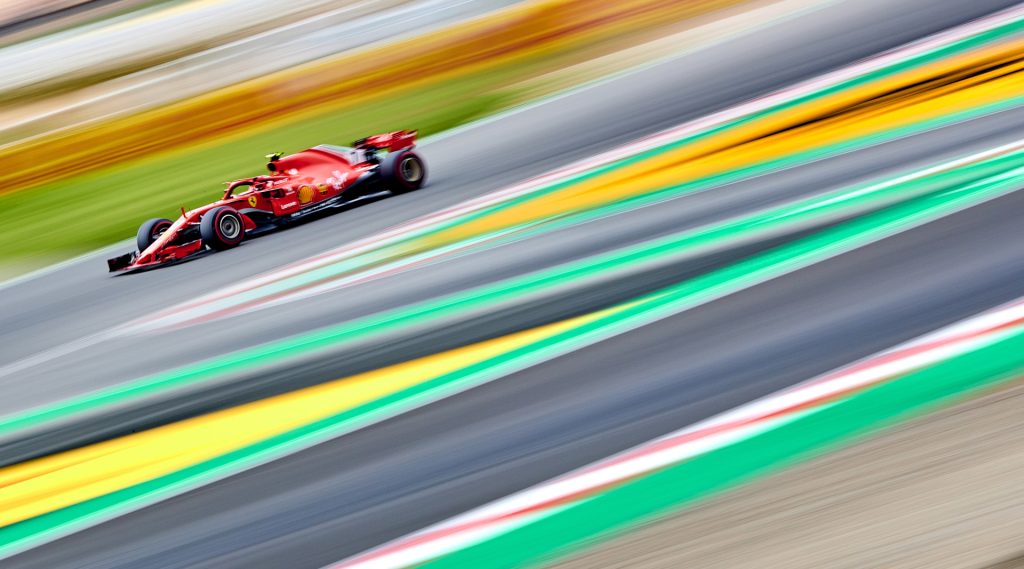
Modern racing platforms such as Formula 1 have revolutionized performance standards. Today’s race cars are essentially rolling laboratories, featuring hybrid power units, energy recovery systems, and complex telemetry networks that transmit thousands of data points per second. Teams analyze tire degradation, fuel efficiency, brake temperatures, and aerodynamic balance in real time. Strategy has become as important as raw speed. Pit stop timing, tire compounds, and weather forecasting can determine the outcome of a race just as much as driver skill. Akari Motor Sports embraces this technological culture, ensuring that enthusiasts and competitors alike understand that racing success is engineered long before the green flag waves.
Stock car racing, particularly under the banner of NASCAR, represents a different but equally intense evolution. What began as modified production cars racing on dirt tracks has transformed into a multi-billion-dollar industry with precision-built machines designed for high-speed oval warfare. Aerodynamic drafting, tire management, and split-second decision-making create a spectacle of close-quarters competition. Unlike open-wheel racing, where precision airflow management dominates, stock car racing highlights durability and driver endurance across long race distances. Akari Motor Sports recognizes the diversity within motorsports and celebrates how each discipline offers unique challenges that test engineering limits and human resilience.
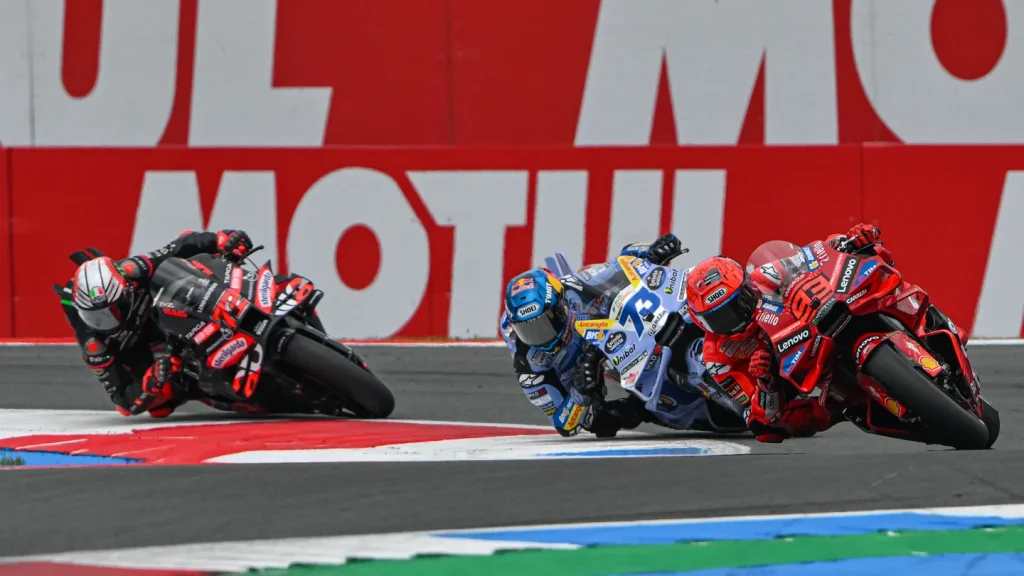
Two-wheel racing has experienced its own dramatic growth, especially within MotoGP. The balance between man and machine becomes even more intimate when riders lean at impossible angles, relying on tire grip and throttle precision. Electronic rider aids, traction control systems, and aerodynamic winglets have elevated motorcycle racing to unprecedented speeds while maintaining competitive balance. Similarly, rally racing under World Rally Championship showcases versatility, with drivers tackling gravel, snow, asphalt, and unpredictable terrain. Each format demonstrates that motorsports are not defined by one discipline but by a spectrum of speed-focused innovation.
The future of motorsports is accelerating toward sustainability and electrification. Hybrid technologies pioneered in elite racing now influence road cars worldwide. Electric racing series and alternative fuels are reshaping the definition of performance. Artificial intelligence is assisting with race simulations, predictive analytics, and even driver training. Akari Motor Sports envisions a world where speed and sustainability coexist, where innovation fuels not only competition but also environmental responsibility. As motorsports continue evolving, one constant remains: the pursuit of perfection at high velocity. Through passion, technology, and relentless drive, the racing world continues pushing boundaries — and Akari Motor Sports is committed to driving that evolution forward.
Leave a Reply