

In motorsports, physical performance is only half the equation; the other half lies in psychological resilience. Drivers competing in elite championships such as Formula 1 operate at speeds exceeding 300 km/h, where decisions must be made in fractions of a second. At those velocities, hesitation is costly and overconfidence can be catastrophic. The brain processes immense streams of data — braking markers, rival positioning, tire temperatures, track grip evolution — all while enduring G-forces that strain the body. Akari Motor Sports understands that cultivating mental sharpness is as crucial as engineering horsepower. The psychology of speed involves focus, composure, and the ability to reset instantly after setbacks. A missed apex or minor collision cannot linger in a driver’s thoughts; recovery must be immediate and decisive.
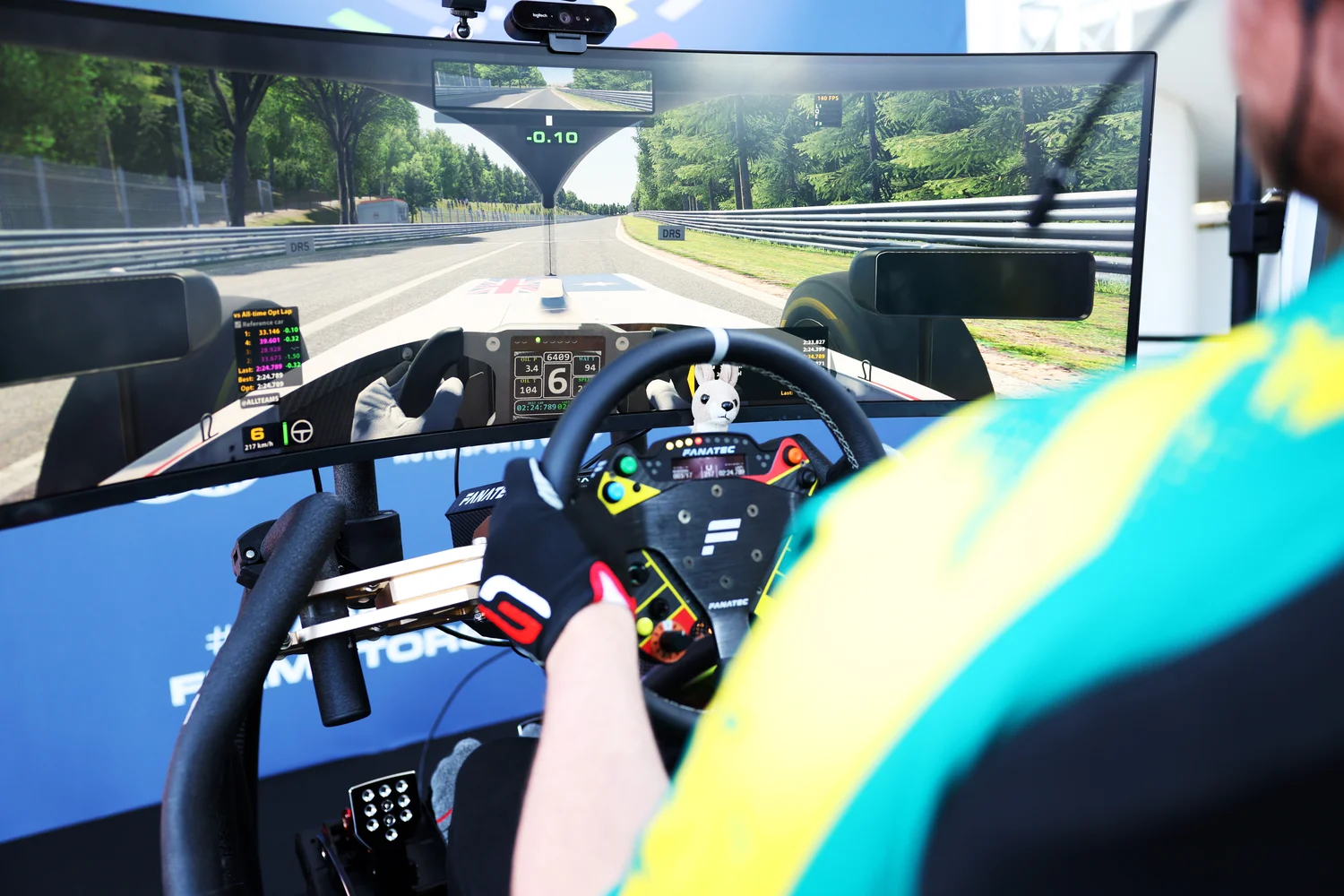
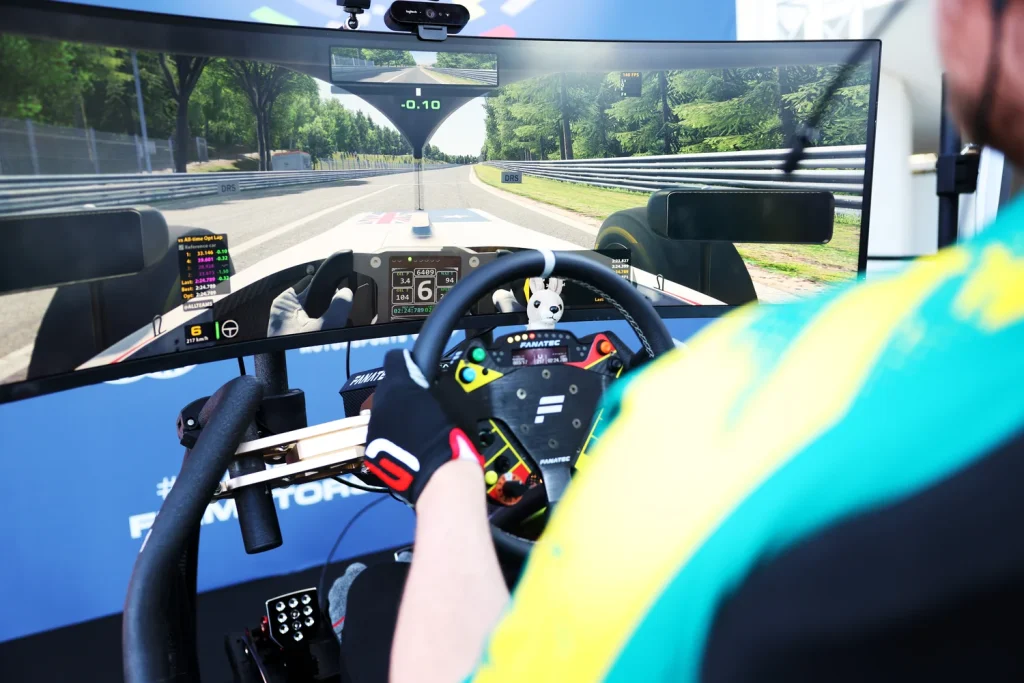
Preparation for mental endurance often begins away from the racetrack. Many drivers utilize advanced simulators to replicate race conditions, developing reflexes and spatial awareness in controlled environments. Simulation training not only refines technical skills but also strengthens cognitive processing under pressure. In endurance events like the 24 Hours of Le Mans, drivers rotate through intense multi-hour stints, racing through darkness, fatigue, and unpredictable weather. Managing exhaustion while maintaining peak concentration demands psychological conditioning. Meditation techniques, controlled breathing exercises, and performance coaching are increasingly integrated into professional training regimens. Akari Motor Sports promotes holistic preparation, recognizing that the modern driver must balance mental agility with emotional control.
Risk perception is another defining factor in motorsport psychology. Unlike many other sports, racing inherently involves danger, even with modern safety advancements. The introduction of protective innovations such as the halo cockpit structure in Formula 1 reflects the sport’s commitment to minimizing risk, yet the element of uncertainty remains. Drivers must develop a calibrated sense of risk — pushing to the edge without crossing it. This fine balance distinguishes champions from competitors. Fear, when properly managed, sharpens awareness; when uncontrolled, it compromises performance. Akari Motor Sports encourages calculated aggression, emphasizing intelligent decision-making over reckless ambition.
Team dynamics further shape psychological performance. A driver’s relationship with race engineers, strategists, and pit crews influences confidence levels during competition. Clear communication fosters trust, especially when race conditions shift unexpectedly due to weather changes or safety car deployments. Within organizations such as NASCAR, split-second radio instructions can determine overtaking maneuvers or pit timing. Drivers rely heavily on the unseen support network behind them. Akari Motor Sports views motorsports as a collaborative endeavor, where shared mental resilience creates competitive strength.
Ultimately, mental mastery defines sustained success in racing. Talent may secure early victories, but consistency emerges from psychological discipline. Champions cultivate routines that stabilize performance under immense scrutiny from media, sponsors, and global audiences. Whether navigating tight street circuits or high-speed straights, the mind remains the driver’s most powerful tool. Akari Motor Sports champions this philosophy, advocating for a performance culture rooted in mental preparation, resilience, and unwavering focus. In the world of motorsports, speed begins in the mind before it ever reaches the throttle.
Leave a Reply