

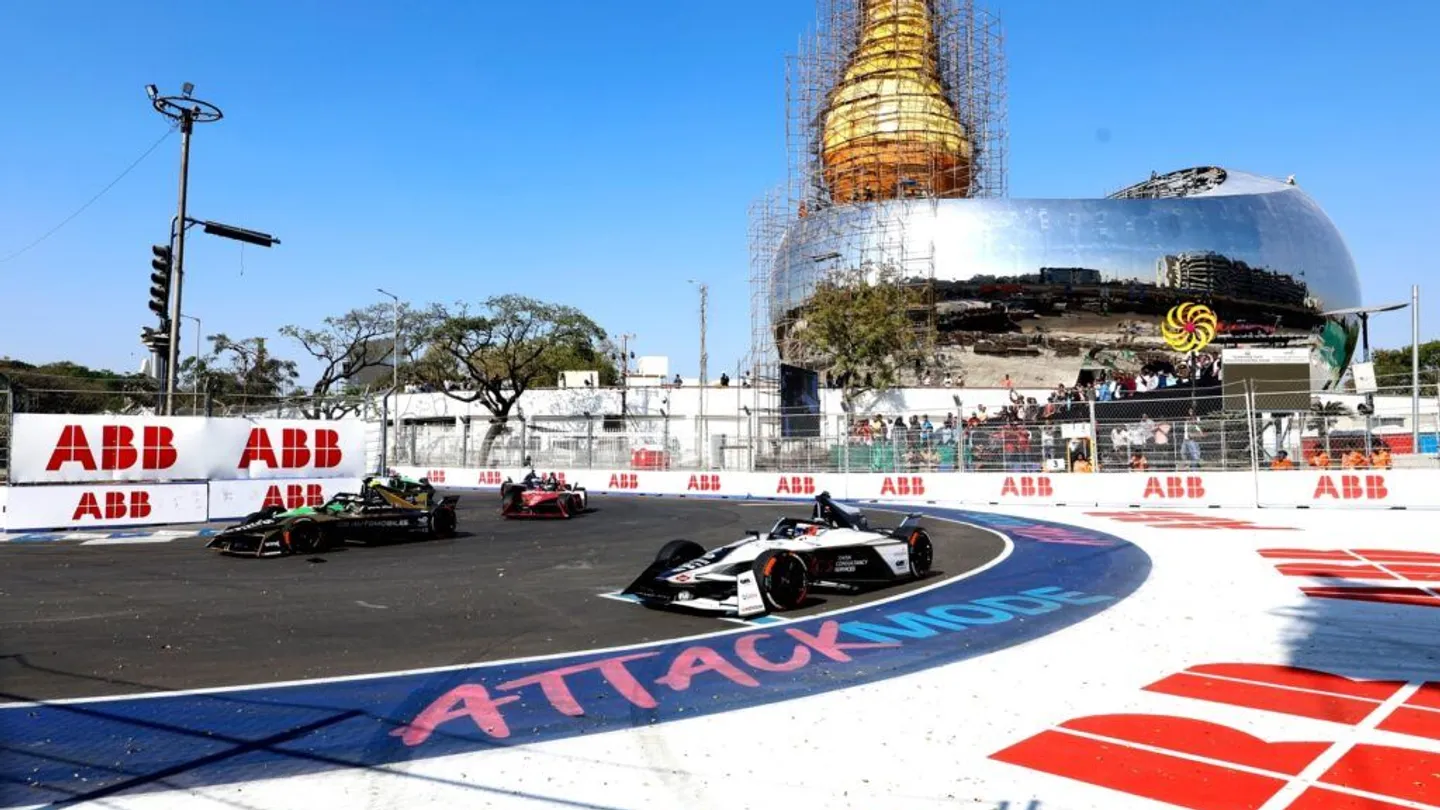
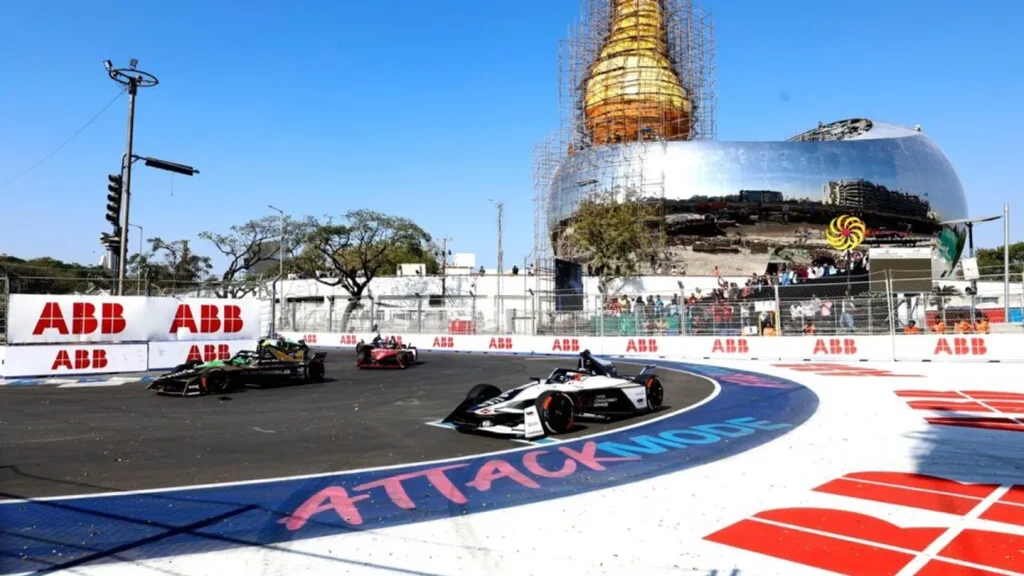
The motorsports industry is entering a transformative era defined by electrification and sustainability. While traditional combustion engines have long dominated racing circuits, the emergence of electric series such as Formula E signals a powerful shift in philosophy. Electric racing cars produce instant torque, delivering explosive acceleration without the roar of conventional engines. City-based circuits highlight urban sustainability and technological innovation. Akari Motor Sports recognizes that this evolution is not merely a trend but a foundational change shaping the future of competitive performance.
Hybrid technology has already demonstrated its capabilities at the highest levels of competition. In Formula 1, hybrid power units combine internal combustion engines with energy recovery systems that capture kinetic and thermal energy. These systems redeploy stored power strategically, increasing efficiency without sacrificing speed. The integration of hybrid systems has enhanced fuel economy while maintaining elite performance standards. Akari Motor Sports views hybridization as a bridge between traditional racing heritage and sustainable innovation, proving that environmental responsibility and competitive excellence can coexist.

Battery development represents one of the most critical frontiers in electric racing. Engineers strive to increase energy density while reducing weight, as battery mass directly influences vehicle balance and cornering stability. Advanced cooling systems ensure consistent performance under extreme racing conditions. Regenerative braking systems capture kinetic energy during deceleration, converting it into usable electrical power. These innovations extend beyond the track, influencing commercial electric vehicle development worldwide. Akari Motor Sports actively supports research and development efforts that align racing innovation with broader mobility solutions.
Public perception of electric racing continues to evolve. Early critics questioned whether silent electric cars could replicate the emotional intensity of combustion-powered machines. However, competitive racing action, strategic energy management, and technological transparency have reshaped the narrative. Spectators now appreciate the tactical elements unique to electric racing, such as energy conservation strategies and attack modes. Series like 24 Hours of Le Mans are also integrating hybrid categories, reinforcing that sustainability and endurance performance are not mutually exclusive. Akari Motor Sports believes that storytelling, innovation, and competitive parity will drive fan engagement in the electric era.
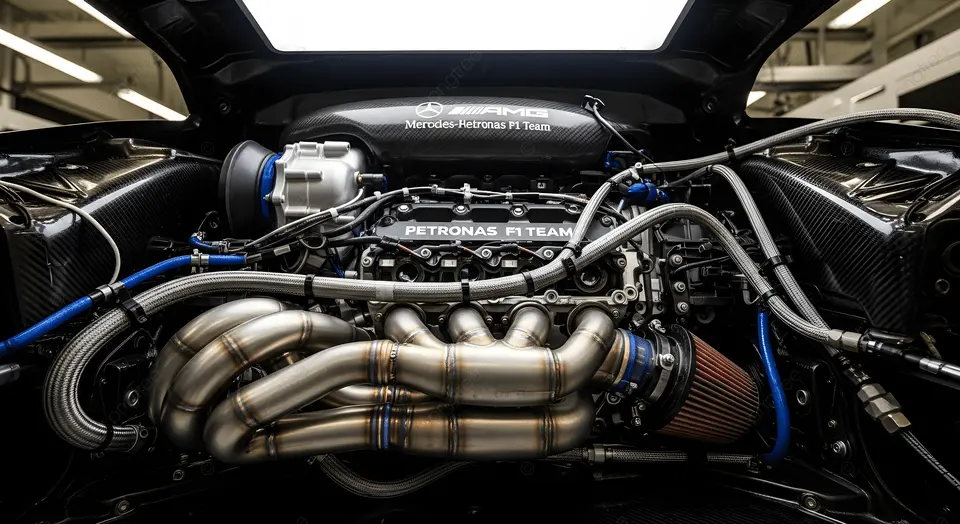
Looking forward, synthetic fuels and hydrogen-powered systems may further redefine motorsports. Sustainable fuel alternatives aim to reduce carbon emissions while preserving the visceral appeal of combustion engines. Hydrogen combustion and fuel cell technologies offer promising performance potential with minimal environmental impact. As governing bodies adjust regulations to encourage sustainable experimentation, motorsports will continue serving as a laboratory for mobility innovation. Akari Motor Sports embraces this responsibility, positioning itself at the forefront of a cleaner, faster future. Racing has always been about pushing limits, and now the limit extends beyond speed to include sustainability itself.
Leave a Reply