

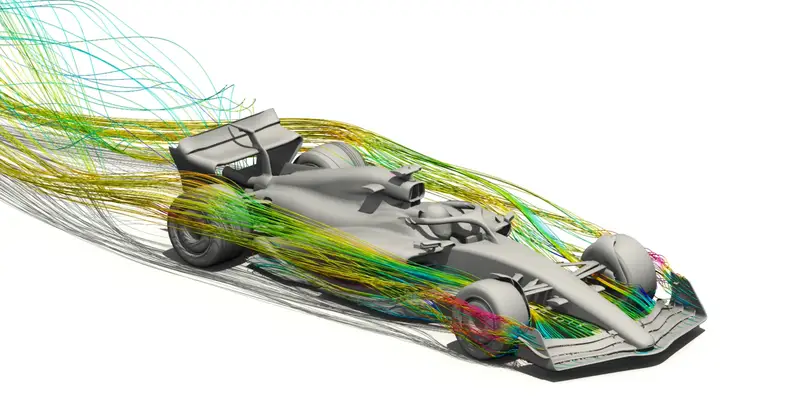
Aerodynamics is often described as the invisible force that defines victory in modern motorsports. While horsepower once dominated competitive advantage, today airflow management determines how effectively power translates into speed. In elite series such as Formula 1, aerodynamic efficiency separates championship contenders from midfield competitors. Engineers meticulously sculpt front wings, bargeboards, sidepods, and rear diffusers to manipulate air pressure around the car. The objective is simple yet complex in execution: maximize downforce for cornering stability while minimizing drag for straight-line acceleration. At Akari Motor Sports, aerodynamic development represents the intersection of physics, creativity, and relentless experimentation, where even microscopic adjustments can produce measurable performance gains.
Downforce is the cornerstone of racing aerodynamics. Unlike road cars, which prioritize fuel economy and passenger comfort, race cars are designed to press themselves into the asphalt as speed increases. Front and rear wings generate negative lift, effectively increasing tire grip during high-speed turns. This phenomenon allows drivers to corner at velocities that defy everyday driving logic. However, generating excessive downforce increases drag, reducing top speed. Engineers must therefore strike a delicate balance between grip and efficiency. On circuits with long straights, such as those seen in endurance classics like the 24 Hours of Le Mans, teams adopt low-drag aerodynamic configurations to optimize straight-line performance. Akari Motor Sports embraces adaptive aerodynamic strategies tailored to each track’s unique demands.
Wind tunnel testing remains a critical component of aerodynamic refinement. Scaled models and full-size chassis undergo airflow analysis under controlled conditions, allowing engineers to visualize turbulence patterns and pressure distribution. Complementing physical testing is computational fluid dynamics (CFD), where advanced simulations model airflow interactions digitally. These simulations process millions of data points, enabling rapid prototyping and concept validation. Within championships such as NASCAR, aerodynamic drafting plays a strategic role, as cars running closely together reduce drag and increase collective speed. Understanding wake turbulence and slipstream effects can transform race outcomes. Akari Motor Sports integrates both simulation and track testing to ensure aerodynamic solutions are validated in real-world conditions.
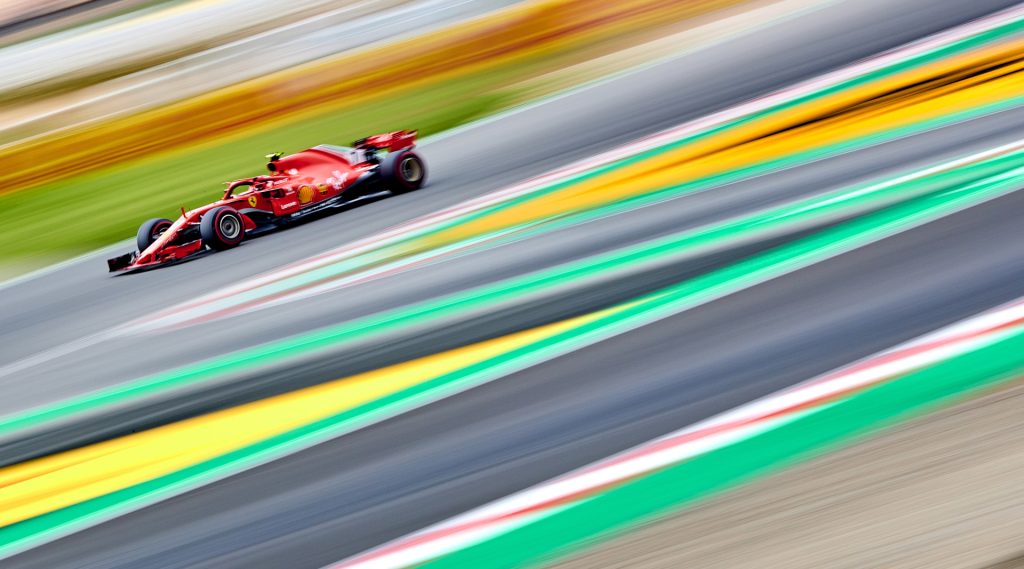
Ground effect aerodynamics has re-emerged as a defining innovation in contemporary racing. By channeling airflow beneath the car through sculpted floors and venturi tunnels, teams generate substantial downforce without relying solely on large external wings. This approach enhances overtaking opportunities by reducing turbulent air behind leading cars, improving competitive dynamics. The evolution of regulations within Formula 1 reflects a commitment to balancing technological advancement with sporting spectacle. Akari Motor Sports views regulatory shifts not as constraints but as creative challenges that inspire innovative problem-solving and engineering breakthroughs.
Ultimately, aerodynamics is more than a technical discipline; it is a philosophy of precision. Every component interacts with airflow, from brake ducts to suspension elements. Weather conditions, altitude, and track temperature further influence aerodynamic performance. Teams must continuously adapt setups throughout a race weekend, responding to subtle environmental changes. Akari Motor Sports believes that mastery of aerodynamics embodies the essence of motorsports: harnessing invisible forces to achieve visible triumphs. As racing technology advances, the invisible dance between air and machine will remain a decisive factor in shaping champions and defining the future of speed.
Leave a Reply